
Expert Speaks
Insights, advice, and perspectives from doctors, nutritionists, and health professionals to guide informed health decisions.
Effects of Red & White Wine On Blood Sugar Levels
•
0 min
There are various studies and researches being done on foods to be consumed for bringing down the sugar levels or foods to improve insulin sensitivity or checking the best method to consume a particular food or the best method to cook a particular food to ensure it is giving a positive effect on the sugar levels or their HBA1C.

Experts Speak
Wed Jan 18 2023, 07:10:42
Effects of Red & White Wine On Blood Sugar Levels
In the battle of red vs. white wine, which one reigns supreme? Well, there's no single answer, since it depends on several factors including your personal taste and preference. However, one distinction that can be made is by looking at the health benefits of each, especially their effects on your blood sugar levels.
How is Wine made?
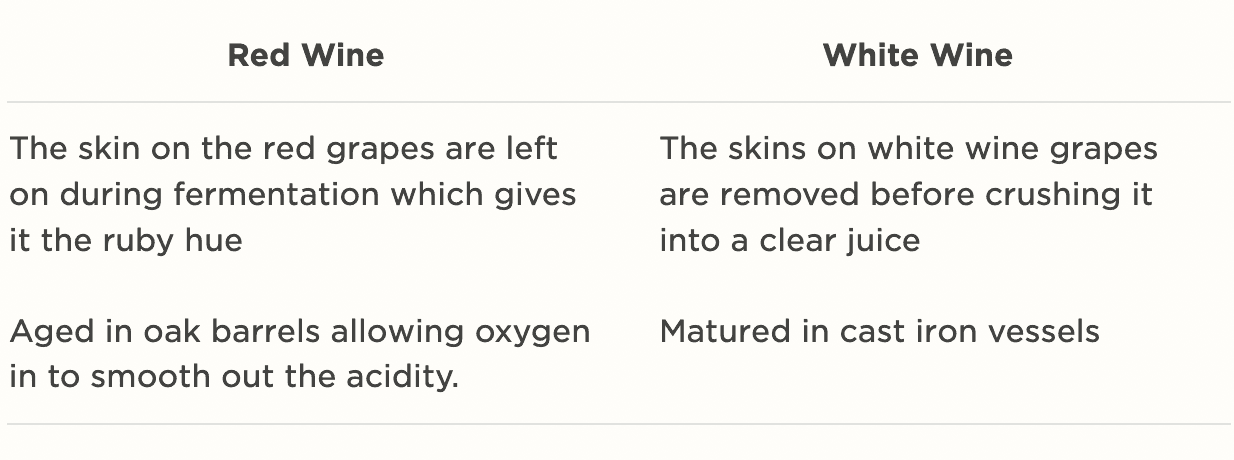
White wine is made from white grapes, without any skin or seeds and is sweeter, while Red wines are made from whole dark red or black grapes, where their skin adds to the rich flavour and colour. Although both wines are made by fermenting grapes, there are some differences in each one's process.
Popular Wine Types
White Wines
Champagne
Sauvignon Blanc
Pinot Grigio
Chardonnay
Riesling
Chenin Blanc
Red Wines
Cabernet Sauvignon
Zinfandel
Pinot Noir
Syrah
Merlot
Sangiovese
Effect of Wine on Blood Sugar
For people with diabetes, it is important to know the role of blood sugar and how alcohol affects it and your overall health. Alcohol can affect every organ in the human body, and once consumed, it is rapidly absorbed by the stomach, small intestine and enters the bloodstream. Alcohol consumption can interfere with blood sugar as well as the hormones needed to maintain healthy blood sugar levels. Some effects that Wine has on your blood sugar levels are
Over time, excessive consumption reduces the overall effectiveness of insulin, resulting in high blood sugar levels, glucose intolerance and diabetes.
Alcohol consumption can also lead to dangerously low blood sugar levels. This is because the liver has to work to remove the alcohol from the blood instead of managing blood sugar levels.
Alcohol consumption can also lead to situational unawareness of low blood sugar levels.
Some of the symptoms of low blood sugar levels are similar to those of consuming too much alcohol. These include:
confusion
sleepiness
blurry vision
headaches
lightheadedness or dizziness
lack of coordination
unconsciousness
Other problems related to alcohol and diabetes
Alcohol’s effect on blood sugar levels is not the only way that it can affect someone with diabetes. Alcohol consumption can also:
stimulate one’s appetite, encouraging overeating and increasing blood sugar levels further
make it difficult to lose weight due to the calories it contains
reduce willpower and increase the chance of making unhealthy dietary choices
interfere with the effectiveness of some oral diabetes medications
increase blood pressure
moderate red wine consumption has shown reduction in heart diseases among people with type 2 diabetes
red wine showed a significant increase in the HDL cholesterol (Good Cholesterol) levels and decreased the total cholesterol levels.
consumed red wine tannic acid or ethanol with their mid day meal showed lower glucose levels after eating compared to meals with ethanol.
Consuming a small amount of red wine before a meal decreased the insulin level but consuming red wine post a meal significantly decreased the level of postprandial glucose. These show that red wine alters the feedback mechanism by which the plasma glucose controls the insulin rate.
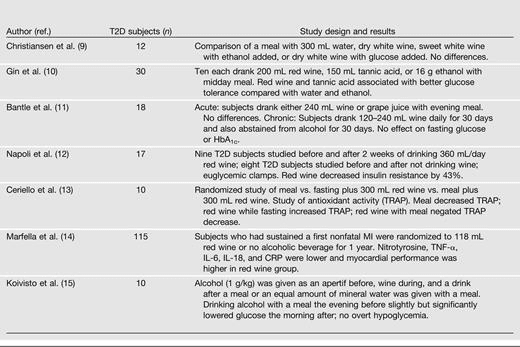
Metabolic studies of the effects of moderate alcohol consumption on fasting glucose, glucose tolerance, and oxidative stress
Red wine is rich in antioxidants and polyphenols and has beneficial effects if it is consumed in moderation. It is necessary for people with type II diabetes to remember that moderation is the key to make use of the potential benefits it possesses. Another thing to keep in mind is the timing of the alcohol intake with food, specially for those on medications.
Benefits of Red Wine
Rich in Antioxidants - Contains resveratrol, epicatechin and catechin, These are responsible for preventing free radical damage and keeps you healthy.
Lowers Bad cholesterol - It is said to reduce bad cholesterol and increase good cholesterol as per so many studies.
Heart Health - Polyphenols help in keeping the blood vessels flexible. But moderation is the key.
Blood Sugar - Resveratrol controls the blood sugar levels in diabetic patients.
Though white is sweeter, the red one is healthier. With its benefits over the white variety is almost all aspects, it wins over. A word of caution, though wine contains alcohol, which has its own harmful effects on the body. The debate here is only to prove that red wine has more benefits compared to the white variety when consumed in moderate amounts (up to 2 drinks per week).
Red wines have less natural sugar compared to white wines, though there is no significant difference in terms of carbohydrates or calories.
Both have equal amounts of calcium, which is good for bones.
Red wine has more amount of iron, phosphorus, and magnesium compared to the white variety.
Red wine has as much potassium as in a banana, so beats the white variety again.
Carotenoids like lutein and zeaxanthin are found in good amounts in the red variety, which is good for macular degeneration.
Red wine also is richer in choline, which prevents liver damage and overall inflammation.
Red wines, with the skin as well, contain resveratrol which is protective against heart disease. They prevent plaque formation in the arteries, improve the immune system, and inhibit cancer growth.
The polyphenol in them are excellent antioxidants and help in preventing cholesterol levels, reducing blood pressure, strengthening the immune system, are anti-infective and anticancer agents.
The flavonoids in the red wines also have strong antioxidant properties and help in reducing the risk of cancer.
White wines are more acidic, and so are proven to cause more erosion of the teeth. Red is safer, with less damage to the teeth.

References