Self Care and Motivation
Mindset shifts, stress management tools, and daily habits to help you stay consistent, confident, and committed to your goals.
Difference Between Internal Stressors And External Stressors - Sugar.Fit
Shifa Fathima
•
5 min
Is beer the enemy of good health? Maybe or maybe not! But it's always a good idea to educate oneself on how drinking beer impacts your body, specifically your blood sugar levels and metabolism. Read on to know more.
Self Care And Motivation
Sun Apr 23 2023, 11:23:24
What is the difference between Internal stressors and External stressors?
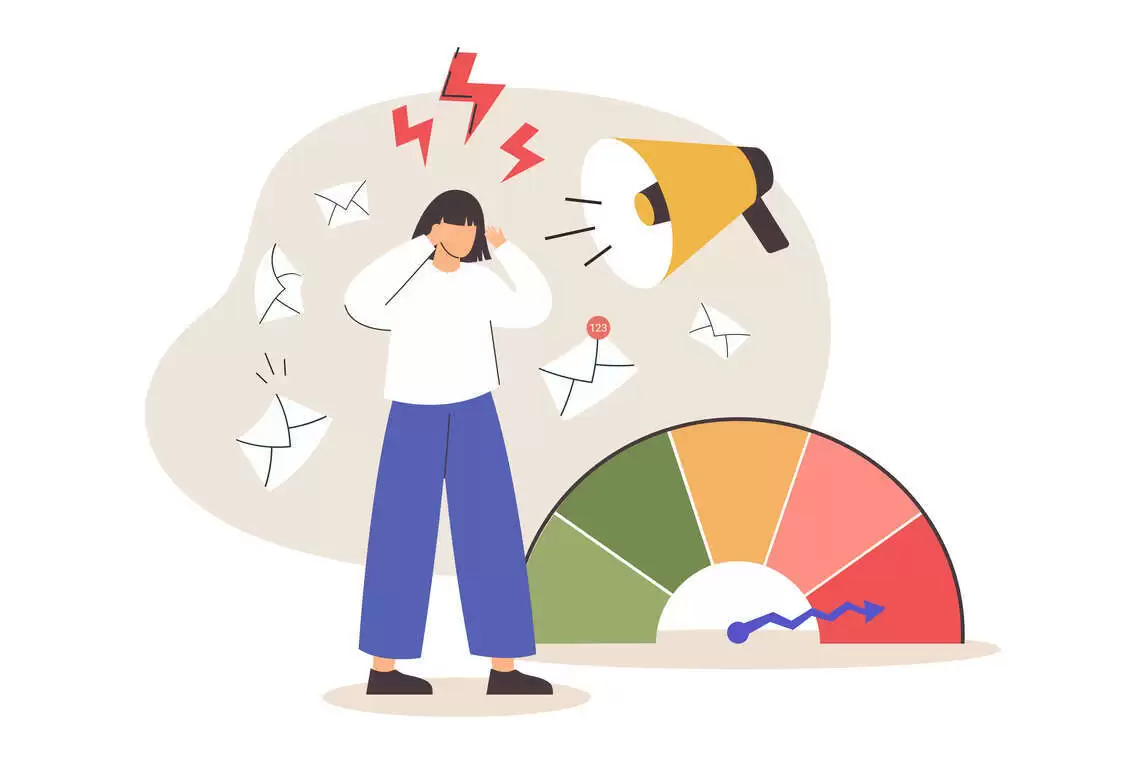
Stress is a natural part of life that can have both good and bad consequences. Stressors come in two different forms: internal and external. Internal stressors originate from within ourselves, while external stressors come from our environment. This article will discuss the difference between internal and external stressors and their effects on our mental and physical health.
What is stress?
Stress is the body’s reaction to changes in our environment and is a natural response to any challenge or demand. These challenges or demands are referred to as stressors. Stressors can be anything from a physical threat to an emotional situation. When faced with a stressor, our body triggers the release of hormones such as adrenaline and cortisol to increase our energy level, heart rate, and alertness. This is known as the “fight or flight” response.
The physical and emotional effects of stress can be both positive and negative. For example, short-term stress can help you stay focused in a challenging situation, such as a job interview or exam. But long-term stress can lead to anxiety, depression, and even physical symptoms like headaches or high blood pressure. Therefore, it’s important to manage your stress to stay healthy and productive.
What are stressors?
Stressors are any event or situation that causes stress. Stressors can be physical, emotional, psychological, environmental, or social. Common examples of stressors include work deadlines, traffic jams, noisy neighbours, large bills, unexpected events or changes, relationship difficulties, and health issues. Everyone experiences different types of stressors and how they respond to them depends on their individual circumstances. Stress can have positive and negative effects, so managing stress in healthy ways is important.
What are the examples of stressors?
Stressors are events or situations that cause stress and can be both positive (e.g., getting married, having a baby) and negative (e.g., losing a job or dealing with an illness). Other examples of stressors include:
1) Physical Environment
Extreme heat or cold
Loud noises
Natural disasters such as hurricanes and floods
Unsafe neighborhoods
2) Workplace Stressors
Long hours
Job insecurity
Unclear job expectations
Long commutes to and from work
3) Family Stressors
Conflict between family members
Financial worries
Caring for older relatives
4) Social Stressors
Difficult relationships
Bullying or harassment
Lack of social support
Feeling socially isolated
5) Academic Stressors
Difficult classes
Exam pressure
Deadlines
Fear of failure
6) Internal Stressors
Unchecked worries and doubts
Negative self-talk and low self-esteem
Setting unrealistic expectations
Unhealthy lifestyle habits such as lack of sleep or poor diet
7) Health Stressors
Chronic illnesses or disabilities
Painful medical treatments
Mental health issues such as depression and anxiety
8) Other Stressors
Moving to a new home or city
Death of a loved one
Changes in lifestyle or routine
Legal issues such as divorce or financial problems
What are the types of stressors?
There are two main types of stressors:
Type of stressors: Internal stressors and External stressors
Stressors are the things that cause stress. They can be divided into two categories: internal and external.
Internal Stressors
Internal stressors, such as a physical illness or injury, come from within the body. In addition, the individual’s emotions, thoughts, and beliefs can also trigger internal stressors. Internal stressors include chronic pain, tension headaches, depression, anxiety and panic attacks.These stressors come from within the individual, such as fear, worry, and negative thoughts. It is important to recognize these stressors and work on managing them to reduce their negative impact.
Internal stressors are everyday events that affect our emotions and mental states. These can include worrying about money, dealing with a difficult job, or relationship issues. The key here is that the stressor originates within our minds and bodies. Internal stressors can trigger physical and psychological responses, such as increased heart rate or feeling overwhelmed.
Examples of internal stressors include:
• Self-doubt: Feeling inadequate or having doubts about one’s abilities.
• Perfectionism: Placing unrealistic expectations on oneself and feeling like anything less than perfect is unacceptable.
• Lack of motivation: Feeling unmotivated and struggling to complete tasks.
• Procrastination: Putting off tasks to avoid dealing with them.
Worrying: Unchecked worries and anxious thoughts that can lead to stress.
Negative self-talk: Criticizing oneself and engaging in negative self-talk.
• Low self-esteem: Having a low opinion of oneself and feeling undeserving.
External Stressors
External stressors come from outside sources, such as work deadlines, financial worries, or relationship problems. External stressors can also include environmental factors like noise pollution, air pollution, or overcrowding. Traumatic events such as war, natural disasters, or physical abuse can also be considered external stressors. These are environmental stressors, such as a job, family life, or a traumatic event. Other external stressors include loud noises, bright lights, or routine changes.
External stressors come from outside of us and can often be more challenging to cope with than internal ones. These can include anything from traumatic events such as natural disasters to life experiences like the death of a loved one. While it can be difficult to cope with external stressors, there are things that you can do to help manage your stress levels. Talking to friends and family, reaching out for professional guidance, and taking time for yourself are great ways to manage external stressors. Examples of external stressors include:
• Work/school demands: Meeting deadlines, dealing with difficult coworkers, overworking.
• Health issues: Chronic health conditions, pain, physical disability.
• Financial worries: Lack of money, debt, job insecurity.
• Family problems: Conflict with family members, divorce/separation, grief.
• Relationship conflicts: Difficulties with intimate relationships and arguments with friends.
• Environmental changes: Moving house, changing jobs, starting a new hobby.
Internal stressors vs External stressors:
<!--markdown>
| Internal stressors | External stressors |
|--------------------------|-----------------------------|
| Thoughts | Physical environment |
| Feelings | Interpersonal relationships |
| Behaviors | Life changes |
| Physiological reactions | Uncontrollable events |
| Beliefs | Time pressures |
| Attitudes | Economic pressures |
| Values | Natural disasters |
| Expectations | Social expectations |
| Perceptions | Trauma or abuse |
| Assumptions | Poverty or illness |
<!--/markdown>
Internal stressors originate from within ourselves, such as our thoughts and feelings. External stressors arise from events or experiences outside of us, such as changes in the physical environment or the actions of people we interact with. Both can affect our mental and physical health, so it’s essential to be aware of both stressors and develop healthy coping strategies.
How to manage stressors?
There are a few key strategies for managing stressors:
1. Acknowledge and accept the stressor:
When faced with a stressful situation, it’s important to acknowledge and accept the reality of what is happening. This can help you understand the situation better and prepare to manage it.
2. Develop a plan of action:
Once the stressor is acknowledged and accepted, it’s important to develop a plan. This may include developing coping strategies or simply thinking through how to approach the situation best.
3. Seek support:
Seeking out a support system can be incredibly helpful in managing stressors. Whether talking to a friend, family member, or mental health professional, having somebody to talk to and support you can make a big difference.
4. Take care of yourself:
Self-care is important in managing stressors. This can include stress-reducing activities such as exercise, yoga or meditation. It also involves eating well, getting enough sleep and taking regular breaks.
5. Practice relaxation techniques:
Relaxation techniques such as deep breathing and progressive muscle relaxation are useful strategies for managing stressors. Taking even just a few minutes out of your day to practice these relaxation techniques can make a big difference in helping to reduce stress.
6. Learn to let go:
Sometimes, it is necessary to accept that some stressors are out of your control simply. However, learning to let things go and focus on the things you can control can help to reduce stress and improve your overall well-being.
By implementing these strategies, it is possible to manage stressors more effectively and lead a healthier and happier life.
When to seek medical help?
If you experience any of the following symptoms, it is important to seek medical help right away:
Severe chest pain or discomfort
Difficulty breathing
Dizziness, fainting, or feeling like you may pass out
Cold sweats
Rapid or irregular heartbeat
Nausea
Pain that radiates down your arm or up to your jaw
Unusual fatigue or tiredness
Discomfort or pain in the back, neck, shoulder, jaw, or arm
Shortness of breath, even when resting
A feeling of uneasiness or discomfort that persists for more than a few minutes
Signs of stroke (such as confusion, trouble speaking, sudden numbness or weakness in the face, arm or leg)
See a doctor if you experience any of the above symptoms regularly or have any concerns about your heart health. Your doctor can help determine whether there is an underlying condition causing your symptoms and provide you with the appropriate treatment. In addition, early detection can help prevent more serious complications from developing.
Conclusion
Stressors can have a negative impact on our mental and physical health, so it is important to learn how to manage them. By understanding the different types of stressors, developing a plan of action, seeking support and practicing relaxation techniques, it is possible to manage stressors effectively. It is also important to seek medical help if any concerning symptoms arise. With this knowledge, you can take the necessary steps to improve your well-being and lead a healthier and happier life.
FAQs
1. What are the 5 common stressors?
A stressor can come in many forms and vary from person to person. However, there are 5 of the most common stressors include:
Death of a loved one
Job/Career Pressure
Money Issues
Relationship Problems
Health Concerns/Illness
2. What are the 2 types of internal stressors?
Internal stressors come from within an individual and can be caused by emotional or mental issues. The two main types of internal stressors are psychological stressors and physiological stressors. Psychological stressors involve emotional or mental issues, such as fear, anxiety, depression, or burnout. Physiological stressors involve physical issues, such as fatigue, illness, or injury.
3. What are 10 examples of stressors?
Stressors come in many different forms and vary from person to person. However, here are 10 examples of common stressors:
Moving to a new home
Major illness or injury
Financial difficulties
Excessive workload
Changing jobs
Deadly disasters
Relationship issues
Social pressure and expectations
Conflicts with family or friends
Having to make difficult decisions
4. Is anxiety an internal stressor?
Yes, anxiety is an internal stressor. Anxiety is a psychological stressor involving emotional or mental issues, such as fear, worry, and unease. Anxiety can be caused by various factors, including stress, genetics, or even life events. Therefore, managing anxiety healthily is important to reduce its negative impacts.
References
1. https://humanstress.ca/stress/what-is-stress/stressors/
2. https://www.concordia.ca/cunews/offices/provost/health/topics/stress-management/examples-stressors.html