
Starting Out
Begin your health journey with simple, practical guides on nutrition, fitness, and diabetes care — designed for sustainable progress.
Insulin Resistance and Diabetes Reversal - Sugar.Fit
Dr Apoorva T
•
5 min
Insulin resistance is the condition where the cells in your muscles, body fat, and liver are unable to use insulin effectively because they start resisting or ignoring the signal that the hormone insulin is trying to send to grab or absorb glucose out of the bloodstream for energy. Glucose, also known as blood sugar, is the body's main source of fuel. When the cells resist and don't absorb glucose, levels of this sugar build up in the blood causing higher blood sugar and insulin levels, potentially leading to type 2 diabetes.
Starting Out
Mon May 08 2023, 12:21:16
Insulin Resistance and Diabetes
Hereditary predisposition, advancing age, being overweight, hypertension, and a lack of regular physical activity are believed to contribute to insulin resistance. Other associated factors include high cholesterol levels, cardiovascular disease, polycystic ovary disease (PCOS), and a history of gestational diabetes
What is Insulin?
Insulin is a hormone released by Beta cells in the pancreas, within a few minutes after we eat. Normally, this hormone helps our bodies use glucose for energy or store it to be used later. Insulin works like a key by binding to a cell, and allows the sugar to enter into the liver, muscle, and fat cells. Also know yoga asanas for diabetes pdf
What is Insulin Resistance?
Insulin Resistance, also known as impaired glucose tolerance, is a condition in which your body does not respond to insulin as it should. It can progress to prediabetes, metabolic syndrome and a history of gestational diabetes. If left untreated, long-term complications include Type 2 diabetes, heart disease, and vascular disease. Insulin resistance is often associated with excessive abdominal fat, being overweight, high triglyceride fat levels, and high blood pressure. Also know about prediabetes diet.
What is the Role of Insulin in Normal Metabolism?
In normal metabolism, the Insulin secreted attaches itself to cell receptors and opens the glucose channels to allow entry or absorption of the sugar for energy (glucose) OR is transported to the liver to be stored (glycogen) for later, causing a drop of the glucose levels in the bloodstream.
To learn more about the workings of your Metabolism, check out our article on Metabolism 101
How does our Metabolism go from being Normal to Insulin Resistant?
Many factors contribute to insulin resistance. One is believed to be increased levels of fat in your blood. Numerous studies show that high amounts of free fatty acids in your blood cause cells to stop responding properly to insulin, meaning your muscles and liver cells don't respond normally to insulin. It's as if the cells are ignoring the signals that insulin is trying to send out or are too preoccupied to react or pay any attention. These cells that play hard-to-get are termed as having become ‘Insulin Resistant’. The main causes of insulin resistance may be consuming a diet high in sugars and calories and increased body fat, especially in the belly area. Visceral fat, the dangerous belly fat that accumulates around your organs, may release many free fatty acids into your blood, as well as inflammatory hormones that drive insulin resistance.
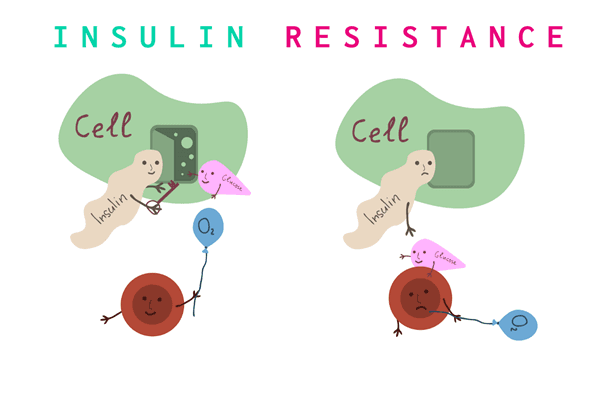
Because of this, the sugar or glucose in your blood neither gets absorbed as energy nor stored as glycogen and is stuck in your bloodstream keeping the blood sugar levels high and rising. The metabolism of individuals with insulin resistance (prediabetic or diabetic) is almost identical to the metabolism of those with insulin sensitivity (non-diabetic). The only difference is the volume and/or effectiveness of the insulin produced by the body. Also know about fasting blood sugar level.
Who is more likely to develop Insulin Resistance?
Insulin resistance can occur mainly in people who have a genetic predisposition towards the development of diabetes. Not only this but the lifestyle and diet changes these days are also leading to the prevalence of this condition among more people. There is a higher diagnosis rate even among younger people. Therefore, it is critical to keep a lookout for certain factors that could help prevent the onset or recognize the symptoms at an early stage. Also know about signs and symptoms of diabetes mellitus.
People who have the below mentioned Genetic or Lifestyle risk factors are more likely to develop insulin resistance.
Overweight or Obese
Aged 45 or older
Genetics : Parent, or sibling with diabetes
Asian or Indian ethnicity
Physical inactivity
Health conditions such as high blood pressure and abnormal cholesterol levels
A history of gestational diabetes
A history of heart disease or stroke
Polycystic ovary syndrome, also called PCOS
People who have metabolic syndrome
People with Abdominal Fat and large waist size
Sedentary lifestyle and/or
Unhealthy eating or sleeping habits
Other disorders like Cushing’s syndrome, Acromegaly or Sleep Apnoea
Along with the risk factors, you can also keep a close watch on the possible causes of this condition. Making a constant effort to mitigate these factors would significantly reduce the risk of the development of this condition.
Weight gain – Fat towards the abdomen, particularly, is linked to this condition. This fat tissue leads to an inflammation of the organs and can cause resistance toward insulin. Excess weight can also lead to fatty liver disease
Inactivity – If the body is almost always at rest, there would be no way to burn the body fat or to use up the extra glucose in the bloodstream. All of this would only lead to more requirements for insulin which might lead to the development of resistance. Know about high blood sugar level
How does Insulin Resistance progress into T2DM?
Insulin resistance results from a combination of increased belly fat, physical inactivity, a diet high in processed carbs, reduced sleep, increasing age, and genetic predisposition, but is most commonly seen in individuals who are overweight or have a higher body fat to muscle ratio. More often than not, developing Pre-diabetes or Type 2 Diabetes is typically due to obesity-related causes. Insulin resistance, which means that your body has turned resistant and hence is unable to use its insulin effectively enough. This compels your pancreas to start producing more insulin to compensate. Over a period of time, the strain of producing all that extra insulin causes your pancreatic beta cells to wear out and eventually fail. Also read about diabetes reversal.
Why is Insulin Resistance called a Vicious Cycle?
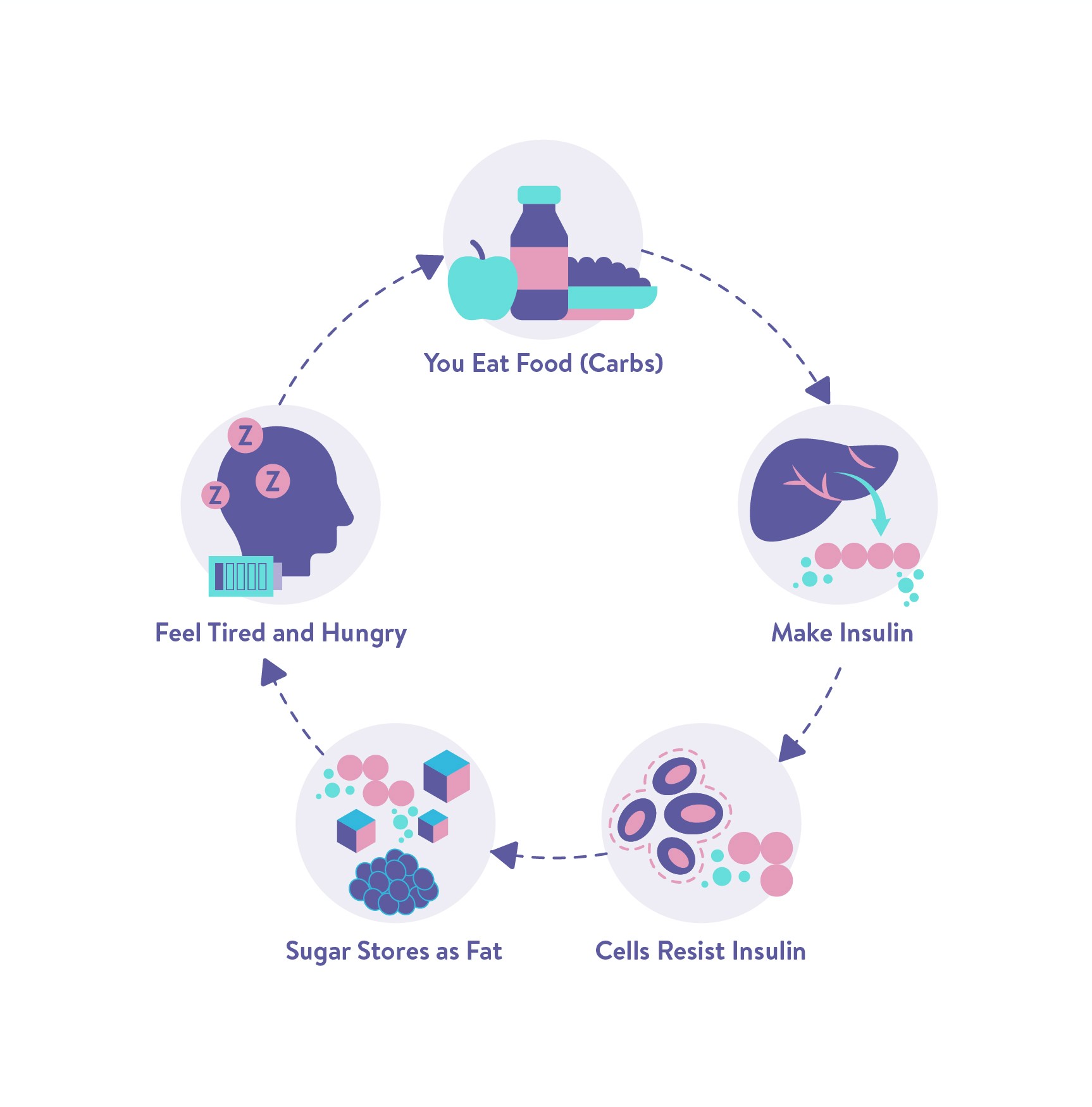
Insulin resistance can become aggravated if you consume relatively generous amounts of carbohydrates; like a diet that's high in calories, and/or consisting of processed foods and refined carbohydrates, leading to Obesity. Since the cells don't recognize the insulin already released, the blood glucose levels stay the same and don't drop. This causes your pancreatic beta cells to start releasing higher amounts of insulin to stabilize the increased levels of blood glucose. Over time, this results in hyperinsulinemia, which is too much insulin in the blood. Hyperinsulinemia does not effectively lower glucose; instead, it makes it more difficult for the body to use stored energy. This give and take relationship between high sugar levels and high insulin levels creates a Vicious Cycle that's hard to break out of, gradually making your body more and more resistant to insulin. Also know about reversing type 2 diabetes.
How do I know if I am Insulin Resistant?
Some Signs of Insulin Resistance are-
Inability to skip meals without feeling irritable or angry
Never feel full and feel hungry almost immediately after eating
Tendency to retain water after eating salty foods
Feeling tired or lethargic after eating a meal
Craving sweet, starchy, or crunchy carbohydrate snacks or foods
Mood swings, which seem to be relieved by eating carbs
Tendency to feel tired in the afternoon or early evening
Difficulty sleeping.
Tendency to carry any extra weight on your abdomen
Weight loss resistance or easily gaining weight
You gain weight easily or are resistant to weight loss
Hormone issues, PCOS, low testosterone (in males), skin tags, acanthosis nigricans, or acne
Fasting blood sugar higher than 90
High Blood Pressure, Cholesterol, Triglycerides or HbA1C
Insulin Resistance vs. Sensitivity
Insulin Resistance & Sensitivity are two sides of the same coin. If you have insulin resistance, you have low Insulin Sensitivity. Conversely, if you are sensitive to insulin, you have low insulin resistance. While Insulin Resistance is harmful to your health, Insulin Sensitivity is beneficial. So the key to Reversing Diabetes is to nip the root cause in the bud and make your cells more Sensitive to Insulin. Read more about gestational diabetes program.
Bottom Line
Insulin resistance may be one of the key drivers of many of today’s chronic diseases. Yet, you can improve this condition with simple lifestyle measures, such as losing fat, eating healthy food, and exercising. Preventing insulin resistance may be among the most powerful ways to live a longer, healthier life.
For more on improving Insulin Sensitivity and finding your path back from Diabetes, Check out our article on The Science of Diabetes Reversal
FAQs
1. How can I prevent or reverse insulin resistance?
There are several natural ways that you can use to prevent or reverse this. Exercising is key as it burns the extra fat thus lowering weight and using up the extra glucose molecules. Drinking water and following a healthy diet can also help to prevent insulin resistance. Yoga is one other method that stimulates the pancreas. Also know how to reverse prediabetes.
2. What are the symptoms of being insulin resistant?
The best way to test this would be to measure blood sugar levels. However, here are a few signs and symptoms to look out for:
Obesity
High blood pressure
High blood sugars
Increased cholesterol levels
Prediabetes symptoms