
Ultrafit
High-impact strategies, fat-loss insights, and performance-driven habits to help you transform your health faster and smarter.
Glucose Rush or Sudden Spike in Blood Sugar - Sugar.Fit
Shifa Fathima
•
5 min
Many people think that all high-calorie foods raise blood sugar level, but this is not always the case. When low GI foods are eaten, the sugar is gradually absorbed into the body so the blood sugar level rises gradually. Thus, an appropriate amount of insulin is secreted and sugar is promptly taken up by the tissues.So knowing which foods are low GI foods (causing moderate amounts of sugar to be absorbed) is very important to living a healthy life.
Ultra Fit
Tue Feb 21 2023 14:39:01 GMT+0000 (Coordinated Universal Time)
What Causes Spikes in Blood Sugar Level
Things that Spike and Lower Blood Sugar
Things that lower blood sugar
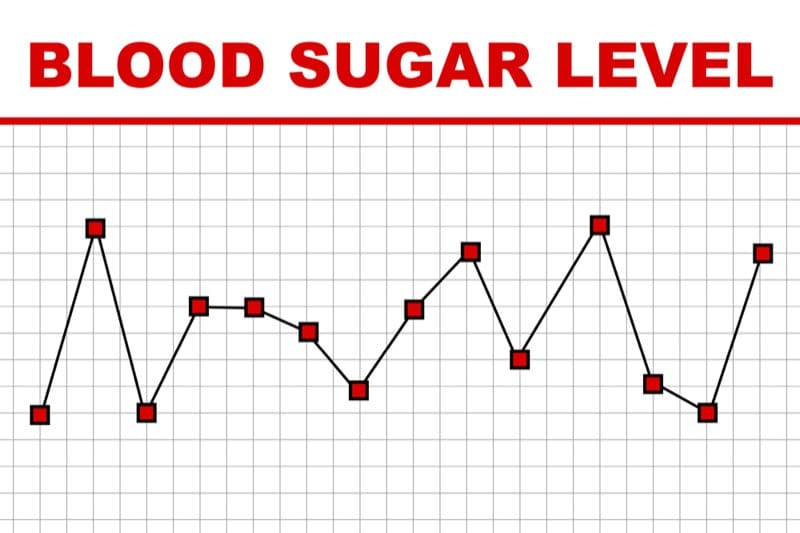
Hyperglycemia is a condition associated with diabetes and is characterized by blood glucose level spikes. Here are some of the ways you can follow to maintain blood sugar levels.
1. Exercising regularly
Exercising is one of the best ways to maintain weight and increase insulin sensitivity. It helps in the efficacious uptake of sugar molecules from the bloodstream and decreases blood glucose levels.
2. Managing carb intake
Carbohydrates are broken down into small sugar molecules inside the body and act as energy sources. But intake of excess carbs or having issues related to insulin curbs the process, and the sugar in the blood increases. Therefore, it is crucial to maintain the intake of carbs.
3. Staying hydrated
Drinking water helps the kidneys flush out excess sugar from the body through urine and maintain healthy sugar levels in the body. Drinking water effectively decreases the risk of diabetes. Also read about sugar in urine.
4. Managing stress
Stress causes many health-related issues, and a prominent one among them is the increase in blood sugar levels. Stress induces the secretion of cortisol and glucagon, which increase sugar levels in the blood. Meditation, exercising, and yoga are known to reduce stress.
5. Getting quality sleep
Sleep influences the sugar levels in your body; a lack of quality sleep contributes to the increased risk of diabetes. Sleep deprivation raises the levels of cortisol. Therefore, it is vital to follow a proper sleep schedule to maintain blood glucose.
6. Consuming foods that lower blood sugar
Diet plays a significant role in maintaining diabetes. The various foods that can help lower the risk of diabetes, usually rich in fiber, probiotics, chromium and magnesium, and have a low glycemic index, are:
Non-starchy vegetables
Leafy greens
Nuts and eggs
Flax and pumpkin seeds
Beans and lentils
Also know about yoga for type 2 diabetes.
Things that spike blood sugar
Doing everything you can to maintain your blood glucose levels, but it isn’t working? Here are some hidden culprits to sabotaging your health.
Artificial sweeteners
It might seem harmless to consume zero-calorie sugars, but these sweeteners are responsible for the increase in your blood glucose levels in the long run. They are only a temporary solution and may have unknown effects on your health.
High saturated fat foods
Along with carbs, excess saturated fatty foods accumulate in the abdomen and contribute to insulin resistance. Even patients with stable weight need to look out for these foods, and consume healthy fats like nuts and avocados.
Skipping breakfast
According to studies conducted, people who skip breakfast are prone to high blood sugar levels due to the inhibition of beta cells in the pancreas, which produce insulin. These studies emphasize that breakfast is the most important meal of the day, especially for diabetic patients. Also read about high blood sugar symptoms and it's treatment.
Physical inactivity
Working out is an essential part of keeping diabetes in check and increases insulin insensitivity. Exercising can help cells take up glucose from the blood and use it for energy. Inactivity has quite the opposite effect on the body and increases blood sugar levels.
Elevated stress levels
Stress, physical or mental, induces the increase in hormones like cortisol and glucagon that increase blood sugar levels in the body. Several methods are applied to reduce stress and maintain good health.
Sleep Deprivation
Sleep has recently been a topic of great interest among researchers as they are discovering more reasons why it is crucial for our health. Lack of rest also induces cortisol, which increases blood sugar.
Foods that spike blood sugar
A diabetic patient is well-aware of the significance of consuming the right amount and type of foods to reduce sugar levels. Here are some foods to be avoided if you have diabetes:
Refined white grains
Fast foods
Sweetened drinks
Non-dairy milk
Starchy vegetables
Also read about benefits of dates for diabetes.
FAQs
1. How can I lower my blood sugar and high immediately?
A few ways to lower blood sugar immediately are taking fast-acting insulin and exercising.
2. What foods will lower blood sugar quickly?
The following foods with lower blood sugar quickly:
Vegetables: onions, lettuce, broccoli
Fruits: avocados, apples, coconut
Whole grains: barley, whole wheat, oatmeal
Dairy products: cheese, yogurt
3. What would cause a rapid spike in blood sugar?
Foods with high carbohydrate quantities cause a rapid spike in blood sugar. Examples of such foods are rice, bread, fruits, and sugar.
4. What drink lowers blood sugar?
Drinks that you can include in your diet to decrease blood sugar are water, herbal or green tea, sugar free lemonade, vegetable juices like karela juice and methi water.
5. Do eggs raise blood sugar?
Eggs are an excellent part of a diabetes diet, as they contain a low percentage of carbohydrates. They do not raise blood sugar and are a good source of protein.